FeraMax

Iron Health

Iron Health in your life

If you have symptoms of iron deficiency, speak to a healthcare professional for appropriate testing and diagnosis.

Iron Health FAQ’s 

Iron deficiency can cause a range of signs and symptoms. Some people may have mild symptoms or no symptoms, especially in the early stages.

Common signs and symptoms may include [1,2]:

  • Feeling tired or weak
  • Shortness of breath
  • Dizziness or headaches
  • Trouble exercising or low energy during physical activity
  • Hair loss
  • Brittle or weak nails
  • Craving non-food items such as ice, clay, or starch (called pica)
  • Restless legs syndrome, a condition that causes an uncomfortable urge to move the legs, often at night

A healthcare professional can assess symptoms and order blood tests if iron deficiency is suspected.

In infants, children, and adolescents, iron deficiency can cause several signs and symptoms. Some children may have mild symptoms or no symptoms at first.

Common signs and symptoms may include [1]:

  • Feeling tired or having low energy
  • Pale skin
  • Being more irritable than usual
  • Poor appetite
  • Frequent infections
  • Trouble focusing or concentrating

If iron deficiency continues for a long time, it may affect growth and brain development. A healthcare professional can assess symptoms and decide if blood tests are needed.

Iron deficiency can occur when the body needs more iron or when iron intake, absorption, or iron loss affects the body’s iron levels. Common risk factors include blood loss, such as heavy menstrual bleeding or bleeding in the digestive tract, pregnancy when the body requires more iron, low dietary intake of iron, and conditions that affect iron absorption such as celiac disease or certain stomach or intestinal surgeries. Some medications that reduce stomach acid may also affect iron absorption [1,2]. A healthcare professional can help identify possible risk factors and determine whether testing is needed.
Risk factors for iron deficiency in infants, children, and adolescents include prematurity or low birth weight and rapid growth during infancy, childhood, and adolescence, when the body needs more iron. In young children, high intake of cow’s milk, especially when it replaces iron-rich foods or breast milk/formula, may increase the risk of iron deficiency. Other risk factors include low dietary iron intake, restrictive or unbalanced diets, heavy menstrual bleeding in adolescents, and medical conditions that affect iron absorption [1]. A healthcare professional may assess risk based on diet, growth patterns, medical history, and clinical evaluation.
Iron is a mineral that the body needs for growth and development. Our body uses iron to make hemoglobin (a protein in red blood cells that carries oxygen from the lungs to all parts of the body) and myoglobin (a protein that provides oxygen to muscles). Our body also needs iron to make some hormones[3].
In the short term, getting too little iron does not cause obvious symptoms. The body uses its stored iron in the muscles, liver, spleen, and bone marrow. However, when levels of iron stored in the body become low, iron deficiency anemia sets in. Red blood cells become smaller and contain less hemoglobin. As a result, blood carries less oxygen from the lungs throughout the body [3].
Hemoglobin is a protein that is present in the red blood cells (RBCs) which in turn is a part of our blood. The main function of hemoglobin is to carry oxygen from our lungs to the tissues and cells, and to carry carbon dioxide from the tissues and cells to the lungs. Iron is a component of hemoglobin [4,5].
Hemoglobin reference ranges vary by age, sex, physiological state, and laboratory methodology. In adults, commonly used reference ranges are approximately 120–160 g/L for females and 130–180 g/L for males. Pediatric reference ranges vary by age. Hemoglobin values should be interpreted by a healthcare professional in the context of clinical findings and other laboratory results [6,7,8].
Low hemoglobin levels indicate anemia. Anemia may result from iron deficiency or from other causes such as vitamin deficiencies, chronic disease, blood loss, or inherited conditions. Further evaluation by a healthcare professional is required to determine the underlying cause [9].
Ferritin is a protein that reflects body iron stores and is commonly measured when iron deficiency is suspected. Low ferritin levels are generally indicative of depleted iron stores. Because ferritin is an acute-phase reactant, levels may be elevated in the presence of inflammation, infection, or chronic disease. For this reason, ferritin results are interpreted alongside other laboratory tests and clinical information by a healthcare professional [2,10,11].
Iron deficiency refers to reduced body iron stores, which may occur before hemoglobin levels fall below the normal range. Iron deficiency anemia develops when iron depletion leads to a reduction in hemoglobin and impaired oxygen delivery to tissues. Diagnosis is based on laboratory findings and clinical assessment [12].

If you suspect that you have iron deficiency or iron deficiency anemia, consult your healthcare practitioner.

If you have signs and/or symptoms of iron deficiency or iron deficiency anemia, your healthcare practitioner would recommend bloodwork to check the levels of hemoglobin and serum ferritin, among other blood factors. Lower than normal hemoglobin levels may indicate anemia, and lower than normal serum ferritin levels may indicate iron deficiency.

Management of iron deficiency and iron deficiency anemia depends on the underlying cause and severity. Treatment commonly includes dietary modification and iron supplementation, with oral iron frequently used as an initial approach. Intravenous iron may be considered in certain clinical situations. Treatment decisions are individualized and guided by a healthcare professional [2,12].

The duration of oral iron therapy depends on how severe the deficiency is and the underlying cause. Hemoglobin levels often improve within two to four months, but restoring iron stores may take longer. Iron supplements are often continued for a period after hemoglobin levels return to normal to help rebuild iron stores 1,2,12.

According to the approved label, iron supplements may be used for 3–6 months after hemoglobin levels have returned to normal.

Consult your health care provider prior to use and for prolonged use. A healthcare professional can monitor blood tests and determine the appropriate duration of treatment.

Oral iron supplements may cause nausea, vomiting, dyspepsia, constipation, diarrhea or dark stools [1].
Vitamin C can help improve the absorption of non-heme iron, particularly iron salts such as ferrous sulfate, ferrous fumarate, and ferrous gluconate. Taking vitamin C at the same time as these forms of iron may help the body absorb more iron. In some cases, about 600–1200 mg of vitamin C has been used to help improve absorption 1. Certain foods, supplements, and medications may reduce iron absorption. For example, calcium, tea, coffee, and some acid-reducing medications can affect how well iron is absorbed [1]. Recommendations on how to take iron and whether vitamin C should be used may vary depending on the type of iron and individual needs. A healthcare professional or pharmacist can provide guidance on how to take iron supplements appropriately.
Iron absorption can be influenced by certain foods, beverages, supplements, and medications. Foods and beverages that may reduce iron absorption include [1]:
  • Tea and coffee, due to their polyphenol content
  • Foods high in calcium, such as milk and dairy products
  • Foods high in phytates, including whole grains, legumes, nuts, and seeds
  • Foods high in fiber when consumed at the same time as iron
Substances that may increase iron absorption 1:
  • Meat, poultry and seafood can enhance non-heme iron absorption
  • Medications and supplements that may reduce iron absorption include:
    • Calcium supplements
    • Antacids and acid-reducing medications, including proton pump inhibitors and H2 blockers
    • Some antibiotics and medications that bind iron in the gastrointestinal tract
The effect of food and medications on iron absorption can vary depending on the type of iron, dose, and individual clinical factors. A healthcare professional or pharmacist can provide guidance on how to take iron based on individual needs.
Several forms of oral iron supplements are available in Canada. These include iron salts, iron complexes, polysaccharide iron formulations, polydextrose iron complex, and heme-based iron products. These products differ in how iron is bound and delivered in the body [8]. The choice of iron supplement depends on clinical considerations, tolerability, and guidance from a healthcare professional.
Iron deficiency is one of the most common nutritional deficiencies in Canada. It affects certain populations more frequently, including women of reproductive age, pregnant individuals, infants, children, adolescents, and older adults. National survey data indicate that iron deficiency and iron deficiency anemia remain public health concerns, particularly among groups with increased iron requirements or risk of inadequate intake. The prevalence varies by age, sex, physiological status, and dietary patterns. Assessment and diagnosis require evaluation by a healthcare professional using clinical and laboratory information [13].
Foods containing heme iron [14]:
  • Heme iron is found in animal-based foods and is generally absorbed more efficiently.
  • Red meat (beef, lamb)
  • Poultry
  • Fish and shellfish
Foods containing non-heme iron 14:
  • Non-heme iron is found in plant-based foods and some fortified products.
  • Legumes such as lentils, chickpeas, and beans
  • Dark leafy greens such as spinach and kale
  • Whole grains and iron-fortified cereals
  • Nuts and seeds
  • Tofu and other soy products
People following a vegan or vegetarian diet can obtain iron from a variety of plant-based foods. These foods contain non-heme iron, which is absorbed less efficiently than heme iron but can still contribute meaningfully to iron intake. Plant-based sources of iron include [14]:
  • Legumes such as lentils, chickpeas, beans, and split peas
  • Tofu, tempeh, and other soy products
  • Dark leafy greens such as spinach, kale, and Swiss chard
  • Whole grains and iron-fortified cereals and breads
  • Nuts and seeds, including pumpkin seeds, sesame seeds, and cashews
  • Dried fruits such as raisins, apricots, and prunes
A healthcare professional or registered dietitian can provide individualized dietary advice, particularly for those with higher iron requirements.

Keep a track of your iron health with

A patient-friendly app to support iron health management

Download the app or learn more here

Hand holding an iphone showing a screen of the feratrack app.
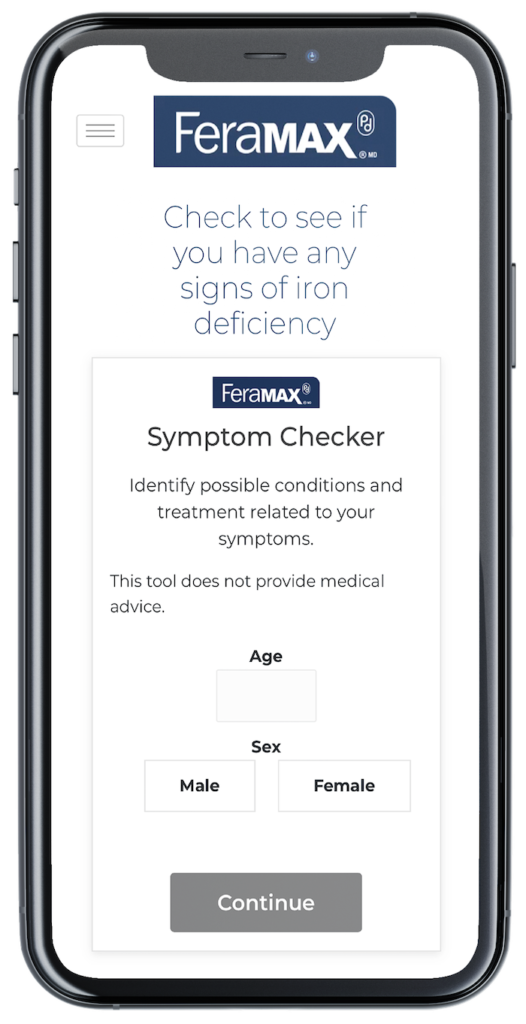
A phone showing Symptom Tracker

Check to see if you have any signs of iron deficiency

Iron Deficiency / Iron Deficiency Anemia Symptoms Tracker for Adults and Children 

Iron Supplements for women

Women

Iron Supplements for adolescents

Adolescents

Iron Supplements for children

Children

Iron Supplements for pregnant women

Pregnant Women

Iron Supplements for infants

Infants

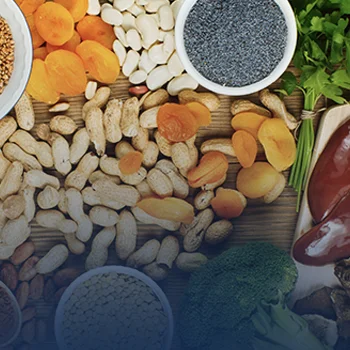
dry fruits

Vegan/Vegetarian

Iron Supplements for elderly

Golden Years

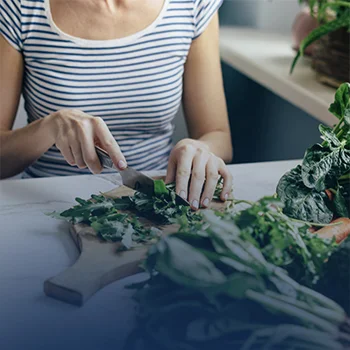
Green vegetable sources of iron

Dietary Consideration

Iron Supplements for women

Women

Iron Supplements for adolescents

Adolescents

Iron Supplements for children

Children

Iron Supplements for pregnant women

Pregnant Women

Iron Supplements for children

Children

Iron Supplements for pregnant women

Pregnant Women

Iron Supplements for infants

Infants

dry fruits

Vegan/Vegetarian

Iron Supplements for elderly

Golden Years

Green vegetable sources of iron

Dietary Consideration

  • Read more about the benefits of FeraMAX® Pd

FeraMAX® FAQ

Frequently asked questions by patients and health care practitioners

Certain population groups may be at increased risk of iron deficiency such as: Persons who are pregnant, menstruating girls and women, pre-term infants and children, and frequent blood donors.

Persons with certain medical conditions may also be at risk of iron deficiency such as: hemodialysis, post-gastric bypass or bariatric surgery, gastrointestinal bleeding, intestinal parasites such as hookworm, chronic kidney disease, malabsorption disorders, and those with restrictive diets.*

*https://www2.gov.bc.ca/gov/content/health/practitioner-professional-resources/bc-guidelines/iron-deficiency

Iron deficiency is a common problem that impacts many Canadians.  Some drug plans in Canada may provide coverage for oral iron supplements. We advise to contact your Insurance Company and enquire about coverage. Click here for helpful information

All FeraMAX® products are VegeCert-certified. The capsule of FeraMAX® Pd Therapeutic 150 is made of hydroxypropyl methylcellulose (HPMC) that is suitable for vegan and vegetarian diets. This VegeCert logo indicates that our product has been audited and inspected by inspectors from Kashruth Council of Canada (COR). These inspectors visit our manufacturing facilities to ensure that FeraMAX® Pd conforms to VegeCert’s high standards.

Infants and children (3 years or younger): Take ¼ or ½ tsp (15-30 mg of elemental iron), 1 time per day. Dosing by weight of the child (3 - 6 mg/kg of body weight) and degree of iron deficiency, or as directed by a health care practitioner.

Children (4–13 years): Take ¼ to ½ tsp (15–30 mg of elemental iron), 1 time per day. Dosing by weight of the child (3–6 mg/kg of body weight) and degree of iron deficiency, or as directed by a health care practitioner.

Adolescents and adults (14 years and older): Take ½ to ¾ tsp (30–45 mg of elemental iron), 1 time per day, or as directed by a health care practitioner.

Always consult your healthcare provider to determine the appropriate daily iron dose for you /
your child and read and follow the product’s label. Visit our Dosing Calculator for more information.


Order FeraMAX® Pd Online

FeraMAX® Pd is available through PHARMEX Direct – a fully accredited, Canadian, direct delivery pharmacy.

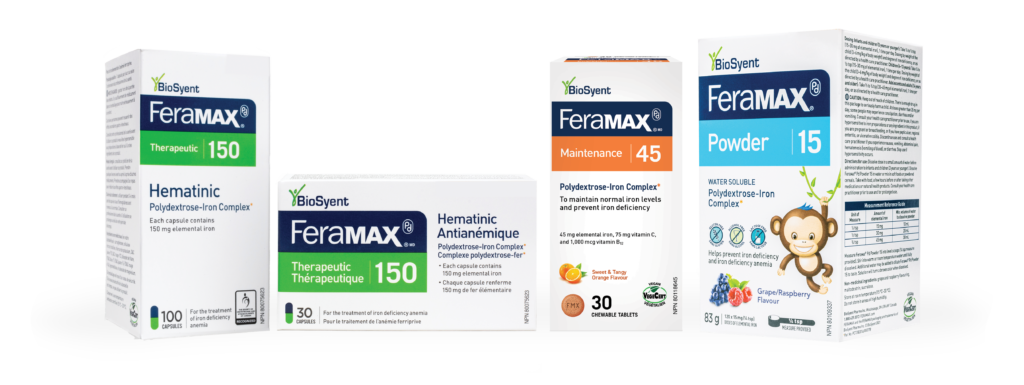
FeraMAX family of products shown in their retail boxes, two quantities of Therapeutic 150, Maintenance 45 and, Powder 15.

Speak to a Pharmacist about FeraMAX® Pd

Canadian Pharmacist counselling is also available via telephone or email.

Think you might be iron deficient?

Many people struggle to maintain their iron health. The causes and symptoms differ depending on the individual 

FeraMAX family of products shown in their retail boxes, two quantities of Therapeutic 150, Maintenance 45 and, Powder 15.

Speak to a Pharmacist about FeraMAX® Pd

Canadian Pharmacist counselling is also available via telephone or email.

References:

  1. BC Guidelines.ca. Iron Deficiency – Diagnosis and Management. [last updated Nov 2, 2023]. Available from: https://www2.gov.bc.ca//assets/gov/health/practitioner-pro/bc-guidelines/full_fe_unit_update.pdf [Last accessed on Nov 06, 2025]
  2. Alberta Medical Association. Iron Deficiency Anemia (IDA) Clinical Practice Guideline. Available from: https://www.albertadoctors.org/media/atabokv2/iron-deficiency-anemia-guideline.pdf [Last accessed on Nov 06, 2025]
  3. National Institutes of Health, Office of dietary supplements. Iron, Fact Sheet for Consumers. Available from: https://ods.od.nih.gov/factsheets/Iron-Consumer/ [Last accessed on Nov 06, 2025]
  4. Nova Scotia Health Cancer Care Program. Patient and Family Guide 2025. Low Red Blood Cells/Anemia. Available from: https://www.nshealth.ca/sites/default/files/documents/NSHCCP4080-2025.01.31.pdf [Last accessed on Nov 07, 2025]
  5. Candian Blood Services. Blood. Hemoglobin – What is Hemoglobin. Available from https://www.blood.ca/en/blood/am-i-eligible-donate-blood/abcs-eligibility/hemoglobin [Last accessed on Nov 07, 2025]
  6. Medical Council of Canada. List of normal lab values. Available from https://mcc.ca/examinations-assessments/resources-to-help-with-exam-prep/normal-lab-values/ [Last accessed on Nov 07, 2025]
  7. Canadian Blood Services. Professional Education; Clinical Guide: Transfusion. Available from https://professionaleducation.blood.ca/en/transfusion/clinical-guide/neonatal-and-pediatric-transfusion#:~:text=Table_title:%20Normal%20levels%20of%20hemoglobin%20and%20coagulation,(g/l)%20(mean%20(%2D2%20SD)):%20140%20(120)%20%7C [Last accessed on Nov 07, 2025]
  8. MUMS Health. Anemia Handbook for Family Medicine. Toronto: MUMS Health; 2025. ISBN: 978 1 894332 26 2. Available from: https://www.mumshealth.com/guidelines-tools/anemia [Last accessed on Mar 27, 2026]
  9. Medical News Today, What to know about hemoglobin levels. Available from https://www.medicalnewstoday.com/articles/318050 [Last reviewed on Jul 18, 2022; Last accessed on Nov 11, 2025]
  10. Mount Sinai, Health-Library; Ferritin blood test. Available from https://www.mountsinai.org/health-library/tests/ferritin-blood-test. [Last reviewed on Jan 30, 2024; Last accessed on Nov 11, 2025]
  11. LifeLabs, Update to reporting of Ferritin in Ontario. Available from https://www.lifelabs.com/notification/update-to-reporting-of-ferritin-in-ontario/?myProvince=on. [Last accessed on Nov 11, 2025]
  12. Sholzberg M, Hillis C, Crowther M, Selby R. Diagnosis and management of iron deficiency in females. CMAJ. 2025 Jul 1;197(24):E680-E687. doi: 10.1503/cmaj.240570. PMID: 40602816; PMCID: PMC12237530
  13. Statistics Canada, Canadian Health Measures Survey 2012–2019 (cycles 3 to 6), ShareFile; Cooper et al. Population Iron Status in Canada: Results from the Canadian Health Measures Survey 2012–2019, Journal of Nutrition 2023 May;153(5):1534–1543
  14. HealthLink BC, Nutrition Series – Number 68d, Feb 2025. Available from: https://www.healthlinkbc.ca/sites/default/files/documents/hfile68d_3.pdf. [Last accessed Mar 27, 2026]